

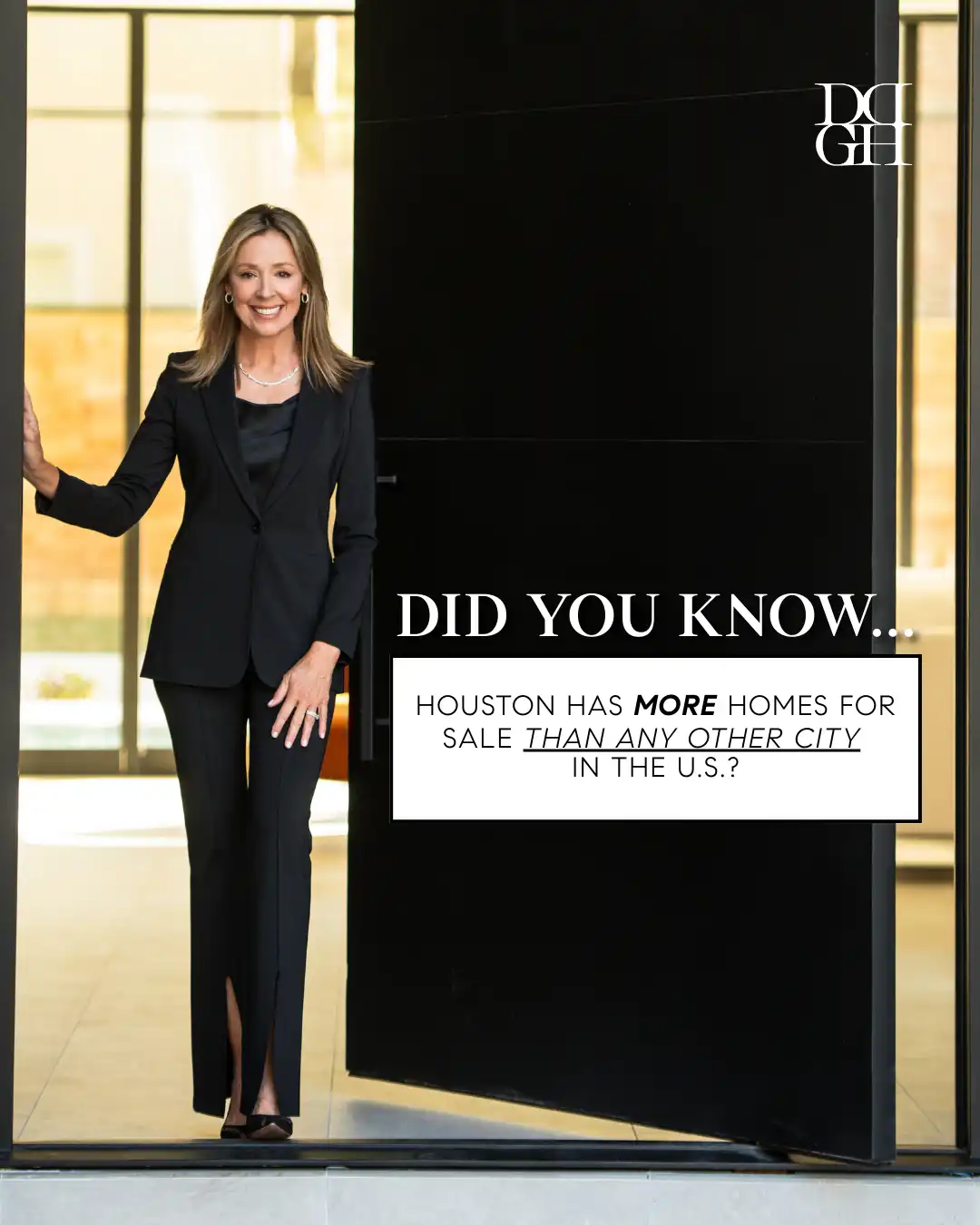
Unlike what many Dallasites may think, Houston is the best city in Texas, and the data backs it up. According to Homes.com, Houston currently ranks first in the United States for the number of homes for sale, with Dallas-Fort Worth in second place. That alone is significant, but the timing makes it even more notable. The holiday season is typically when sellers press pause, waiting until the new year to list. In Houston, the market does not slow nearly as much.
With over 42,000 active listings this October, nearly 7,000 more than at the same time last year, Houston is the only city in the Texas Triangle to see inventory increase this season. Additionally, while other cities are growing taller, Houston is growing wider. Suburban expansion, mainly driven by master-planned communities, is reshaping Greater Houston.
The rise and resilience of suburban master-planned communities are a central force behind Houston’s continued growth. Over 20 percent of all master-planned community home sales in the United States occur in Houston, and in 2024, all 50 of the nation’s best-selling master-planned communities were located in Bayou City. That scale is not just impressive, it is strategic. These communities allow Houston to meet demand instead of stressing against it. Houston buyers are drawn to master-planned communities for many reasons, but before exploring why they are so successful here, it’s helpful to understand what they are.
A master-planned community is a thoughtfully designed neighborhood built with the philosophy of live, work, and play. Instead of homes appearing gradually over decades, entire sections are planned and developed at once. Single-family homes or condos are built with consistent architecture, shared standards, and a cohesive look that gives the community an intentional feel from the start. Infrastructure, amenities, and retail are planned alongside the homes, not added as an afterthought.
These communities often include lakes, parks, trails, resort-style pools, and athletic facilities that enable residents to relax outdoors and enjoy the weather, especially during this beautiful season. Furthermore, some are tailored to specific lifestyles or age groups. For example, communities designed for residents over 55 may prioritize amenities focused on sports such as golf and tennis. At the same time, communities geared toward younger buyers often feature walkable retail, dining, and coworking spaces built right into the layout. Many master-planned communities even include grocery stores, medical facilities, and local entertainment, turning the neighborhood itself into a destination.
The key distinction between a traditional neighborhood and a master-planned community lies in intention: the former are often built over many years, and the latter are designed and developed all at once. Developing an entire community at the same time allows for more thoughtful infrastructure, smoother traffic flow, and a stronger aesthetic identity. They are designed not only for family-centric
living that feels safe and amenity-rich, but also for long-term functionality and visual consistency.
The location of master-planned communities is also crucial. Because many of these communities sit on the outskirts of the city, they offer something increasingly rare in large metropolitan areas: room to grow. Developers have the space to add amenities, expand housing options, and adapt to changing buyer needs without disrupting the core character of the community. In more rural master-planned developments, this often means added conveniences that make daily life easier and reduce the need for long commutes.
That flexibility is why master-planned communities attract such a wide range of buyers. First-time homeowners appreciate the structure and amenities. Move-up buyers value the space and lifestyle. Retirees enjoy the walkability and sense of connection. This diverse group of residents helps keep demand steady and explains why Houston’s inventory continues to rise, even as other markets
pull back.
Houston’s housing market mirrors the city itself. It is expansive, adaptable, and built for growth. You can see this play out most clearly in some of Houston’s best-known master-planned communities:
● The Woodlands
● Shadow Creek
● Bridgeland
In a season when much of the country is waiting to begin again, Houston is already moving. That brand of confidence feels unmistakably Texan. In a city that never stops expanding, I’m here to help you land exactly where you belong.
Until next time,
Dee Dee Guggenheim Howes
Sources:
https://therealdeal.com/texas/houston/2025/12/01/houston-has-the-most-homes-for-sale-in-the-country-again/
https://makdevelopmentgroup.com/why-master-planned-communities-continue-to-drive-growth-in-the-greater-houston-area/
https://www.bhg.com/master-planned-community-8420855
https://www.delcorinternationalrealty.com/master-planned-communities-in-houston